
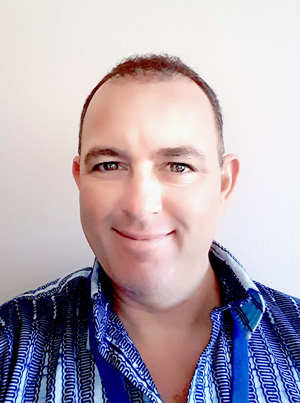
Adel Driss, PhD
Assistant Professor
Physiology
Location: Research Wing Building Room D-339
Phone: 404-752-1849
E-mail: adriss@msm.edu
Education
POSTDOCTORAL FELLOW
Emory University School of Medicine
GRADUATE:
Faculty of Sciences of Tunis, Tunisia
Degree: Doctor of Philosophy in Biology
Faculty of Sciences of Tunis, Tunisia
Degree: Master of Science in Genetics and Molecular Biology
Faculty of Sciences of Tunis, Tunisia
Degree: Bachelor of Science in Natural Sciences
Research Interests
Sickle cell disease and malaria affect millions of people worldwide, and both share the same underlying problem. In each condition red blood cells break open and spill a molecule called heme into the bloodstream. Heme irritates the inner lining of blood vessels and sets off inflammation, and over time that inflammation injures organs. It also helps explain why two patients with the same diagnosis can lead very different lives, one of them relatively well and the other repeatedly in the hospital. My laboratory works to understand what accounts for that difference and how to measure it early. Much of our research centers on the tiny packages that cells release into the blood to send messages to one another. Inside those packages are small molecules called microRNAs, which act as instructions that tell other cells to turn inflammation up or down. Working with patients and colleagues in Ghana, we found that the amount of two particular instructions circulating in a person’s blood tracks closely with how severely ill that person becomes. In the laboratory, we can load those same instructions into the packages and use them to calm the damage heme does to blood vessels. We are also studying why some patients keep producing the form of hemoglobin that everyone makes before birth, a natural protection that appears to shield certain people from the worst complications. Together this work points toward two practical goals: a simple blood test that tells doctors early which patients are heading for trouble, and a new kind of treatment built from the body’s own signals. Because these diseases fall hardest on communities in Africa and on people of African descent, I am committed to building tools that can be used where the need is greatest, and not only in well-resourced hospitals. I am equally committed to women’s health. Endometriosis is a common and often painful condition in which tissue similar to the lining of the uterus grows outside it. Many women wait years for an answer, and a definitive diagnosis still usually requires surgery. Using the same understanding of how cells signal to one another, my collaborators and I are searching for signals in a blood sample that could identify the disease early and without an operation, so that women get a name for their pain sooner and can begin treatment before it takes years from their lives.
Publications
Bashi, A., Lekpor, C., Hood, J. L., Thompson, W. E., Stiles, J. K., & Driss, A. (2023).
Modulation of heme-induced inflammation using microRNA-loaded liposomes: Implications
for hemolytic disorders such as malaria and sickle cell disease. International Journal
of Molecular Sciences, 24(23), 16934. https://doi.org/10.3390/ijms242316934
Banerjee, S., Xu, W., Doctor, A., Driss, A., Nezhat, C., Sidell, N., Taylor, R. N.,
Thompson, W. E., & Chowdhury, I. (2023). TNFα-induced altered miRNA expression links
to NF-κB signaling pathway in endometriosis. Inflammation, 46(6), 2055–2070. https://doi.org/10.1007/s10753-023-01862-x
Oxendine Harp, K., Bashi, A., Botchway, F., Addo-Gyan, D., Tetteh-Tsifoanya, M., Lamptey,
A., Djameh, G., Iqbal, S. A., Lekpor, C., Banerjee, S., Wilson, M. D., Dei-Adomakoh,
Y., Adjei, A. A., Stiles, J. K., & Driss, A. (2023). Sickle cell hemoglobin genotypes
affect malaria parasite growth and correlate with exosomal miR-451a and let-7i-5p
levels. International Journal of Molecular Sciences, 24(8), 7546. https://doi.org/10.3390/ijms24087546
Thomas, J. J., Oxendine Harp, K., Bashi, A., Hood, J. L., Botchway, F., Wilson, M.
D., Thompson, W. E., Stiles, J. K., & Driss, A. (2022). MiR-451a and let-7i-5p loaded
extracellular vesicles attenuate heme-induced inflammation in hiPSC-derived endothelial
cells. Frontiers in Immunology, 13, 1082414. https://doi.org/10.3389/fimmu.2022.1082414
Harp, D., Driss, A., Mehrabi, S., Chowdhury, I., Xu, W., Liu, D., Garcia-Barrio, M.,
Taylor, R. N., Gold, B., Jefferson, S., Sidell, N., & Thompson, W. (2016). Exosomes
derived from endometriotic stromal cells have enhanced angiogenic effects in vitro.
Cell and Tissue Research, 365(1), 187–196. https://doi.org/10.1007/s00441-016-2358-1
Click here to view additional publications.